Controlled Excavation for Underground Infrastructure
Trenching in Tyler for underground utility routing, pipe installation, and irrigation system placement
Knuckles Boring Services LLC provides trenching for projects that require open excavation to install conduit, pipe, or irrigation lines beneath residential and commercial properties in Tyler. When underground infrastructure demands a clear, stable channel rather than subsurface boring, trenching creates the controlled access necessary for placement, inspection, and connection. East Texas soil conditions, including the clay-heavy compositions common to this region, require precise depth control and proper slope maintenance to prevent trench collapse and ensure stable placement of whatever infrastructure the trench will carry.
Trenching involves route layout, excavation to the specified depth and width, placement of utility or irrigation components by the appropriate contractor, and restoration of the excavated area once installation is complete. The process removes soil in a continuous channel, creating space for conduit runs, water lines, drainage pipes, or irrigation laterals that require open access during placement and backfill once positioning is verified.
Request a detailed quote to outline trenching requirements based on your project scope and property layout.
What Controlled Route Preparation Involves
Route preparation begins with marking the proposed trench path, confirming that existing utilities are located and avoided, and establishing the depth and width specifications required for the infrastructure being installed. Excavation proceeds in sections, with soil removed and staged for backfill, and trench walls maintained at angles that prevent collapse in the moisture-retentive soils typical of East Texas residential and commercial sites.
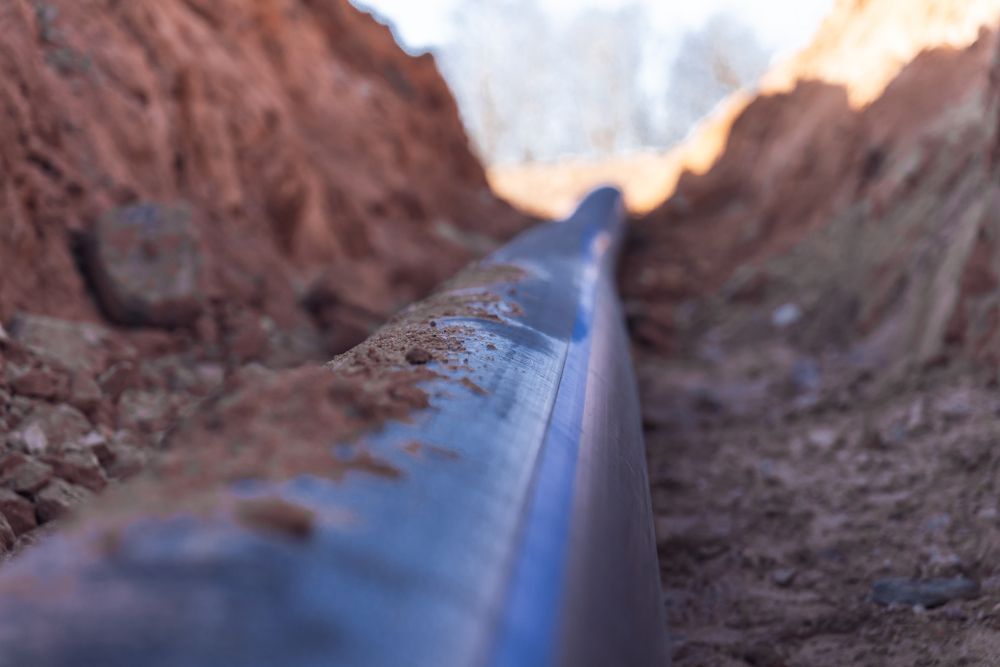
Once trenching is complete, property owners notice a clean, uniform excavation channel that allows contractors to place conduit, pipe, or irrigation components without obstruction or uneven bedding. The trench provides direct visual access to the installed infrastructure, making it possible to verify alignment, grade, and connection integrity before backfill begins. After placement and inspection, the trench is filled, compacted, and graded to restore the surface and prevent settling over time.
Projects that involve both trenching and directional boring can be coordinated as part of the same scope, allowing property owners to address open excavation needs and subsurface routing without scheduling separate contractors. Knuckles Boring Services LLC can evaluate which method suits each section of the project based on surface conditions, access constraints, and infrastructure type.
What Property Owners Usually Ask
Trenching projects for utility routing and irrigation systems raise questions about process, timing, and site restoration. The following answers address common concerns for residential and commercial properties in Tyler.
What depth is typically required for trenching projects?
Depth depends on the type of infrastructure being installed—conduit and irrigation lines often require 12 to 18 inches, while water and drainage pipes may need 24 inches or more to meet code and prevent freeze damage during East Texas winter conditions.
How is the excavated soil managed during trenching?
Soil is removed and staged alongside the trench, kept separate from surface material when possible, and used for backfill once infrastructure placement is complete and verified by the installing contractor.
What happens to the surface after trenching is finished?
The trench is backfilled in layers, compacted to reduce future settling, and graded to match the surrounding surface, with topsoil or sod replacement arranged depending on the site and restoration requirements specified in the project scope.
When should trenching be scheduled for irrigation or utility projects?
Scheduling during dry soil conditions improves excavation stability and reduces the risk of trench wall collapse, making late spring through early fall the preferred window for most East Texas projects unless timeline constraints require off-season work.
Why would a project require both trenching and directional boring?
Some routes benefit from open excavation where placement visibility and access are critical, while other sections may cross driveways, landscaping, or structures where subsurface boring avoids surface disruption—combining both methods allows each portion of the route to use the most efficient approach.
Knuckles Boring Services LLC evaluates route requirements and site conditions to provide accurate trenching quotes for East Texas properties. Contact the team to schedule an on-site assessment and discuss your underground infrastructure project.