Agricultural Mainlines Routed Beneath Topsoil
Irrigation Boring in Tyler for subsurface mainline installation across East Texas farms and landscaped estates
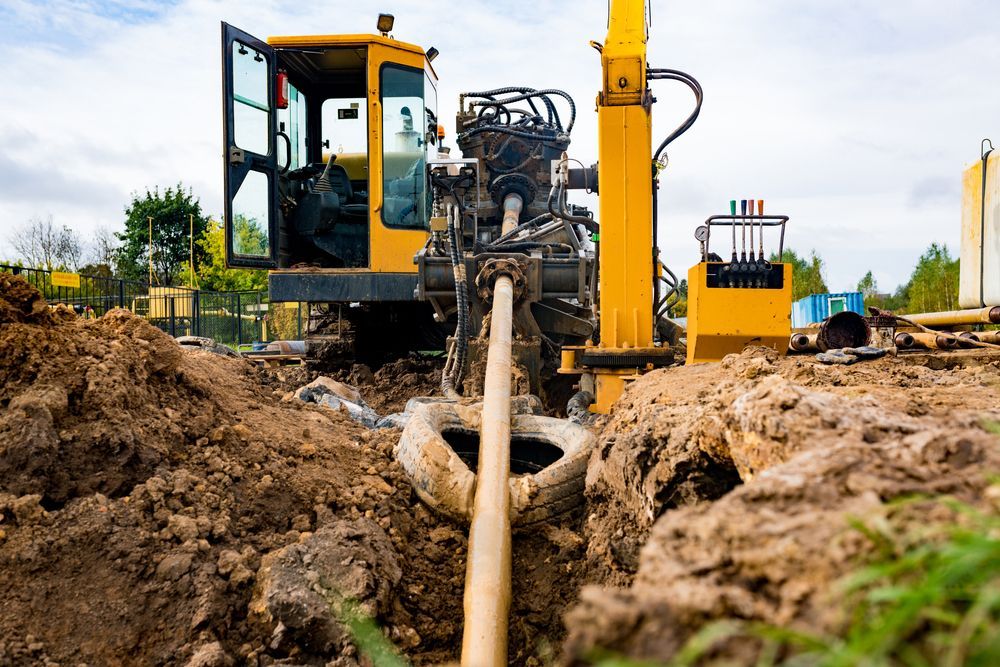
East Texas agricultural operations and commercial landscaping projects require irrigation mainlines that cross fields, pastures, and turf areas without disturbing topsoil structure or creating trenches that collect water and interfere with mowing equipment. Knuckles Boring ETX bores subsurface paths for irrigation supply lines and lateral distribution pipes, preserving soil layers and existing vegetation while routing water from pump stations or supply mains to application zones. The bore creates a permanent underground pathway sized for mainline diameter and pressure specifications, with depth selected to clear root zones and avoid surface equipment strikes.
Irrigation boring eliminates the soil compaction and settling issues that follow open trenching, and the bored mainline sits in undisturbed soil that provides stable support and prevents joint separation over time. Systems serving row crops, pasture irrigation, and ornamental landscaping all benefit from trenchless installation that reduces project timelines and avoids the disruption that affects planting schedules and turf establishment.
Arrange an on-site consultation to determine bore routing, mainline sizing, and depth requirements for your East Texas irrigation installation.
Why Irrigation Systems Benefit From Bored Mainline Paths
The bore advances beneath the root zone at a depth that protects the mainline from tillage equipment, livestock traffic, and freeze-thaw cycles, typically between two and four feet depending on soil type and surface use. Mainline and lateral lines pull through the bore path, with connections made at access vaults or surface risers spaced according to zone coverage and pressure drop calculations. Bore diameter accommodates pipe fittings and allows for thermal expansion during high-temperature operation common in summer irrigation cycles across Tyler and rural East Texas territory.
After installation, you notice no trenches requiring backfill or turf repair, and the irrigation system pressurizes immediately for testing and zone adjustments. Fields and turf remain uniform without the settling depressions that develop along trenched mainline routes, and equipment can cross the bore path without risk of mainline damage. The subsurface installation also protects pipes from UV degradation and physical damage that shorten the service life of surface-laid irrigation lines.
Agricultural operations installing center pivot supply lines or permanent drip irrigation systems rely on bored pathways that don't interfere with planting, harvesting, or grazing rotations. The bore method suits projects where surface trenching would disrupt farm operations or where restoration costs after excavation exceed the bore investment.
Answers to Frequent Irrigation Boring Questions
Irrigation projects serving farms, estates, and commercial landscapes across East Texas involve planning questions about capacity, routing, and installation logistics before boring work begins.
What size irrigation mainline can install via boring methods?
Bore capacity depends on drill rig specifications and soil conditions; most agricultural and landscaping projects install mainlines between two and eight inches in diameter, with larger infrastructure-scale bores handling ten-inch or greater mains for municipal or industrial irrigation systems.
How does boring depth affect irrigation system performance?
Deeper bores protect mainlines from surface equipment and freeze damage, but excessive depth increases installation cost and may require additional pressure to overcome elevation change; most Tyler-area irrigation bores run between thirty and forty-eight inches deep, balancing protection with system efficiency.
When should I choose boring over trenching for irrigation installation?
When the route crosses established turf, active crop fields, livestock pastures, or ornamental landscaping where trenching would disrupt operations, destroy existing vegetation, or require costly turf re-establishment after backfill settles.
What site conditions affect irrigation boring timelines in East Texas?
Clay soils slow bore advance rates and may require staged reaming passes; rocky layers or existing underground obstacles identified during planning may necessitate route adjustments or alternative boring techniques to complete the installation.
How long before an irrigation system operates after mainline boring completes?
Once the mainline pulls through and zone connections install, the system requires pressure testing and flow adjustments; most installations achieve operational status within one to three days after bore completion, depending on zone complexity and valve configuration.
Knuckles Boring ETX handles agricultural and commercial landscaping irrigation projects that preserve soil structure and reduce installation disruption. Contact us to review mainline routing, bore depth, and pressure requirements for your Tyler-area irrigation system installation.