
Conduit Pathways Built for Utility-Grade Power
Electric Boring in Tyler for underground electrical distribution and service lines that avoid surface disruption
Knuckles Boring ETX installs conduit for underground electrical distribution and service lines across Tyler using directional boring equipment. East Texas utilities increasingly route power underground to improve reliability during storm events and eliminate overhead line failures common in the region. The bore creates a subsurface pathway sized to utility specifications, allowing electrical cable to be pulled and terminated without disturbing roads, landscaping, or existing right-of-way conflicts that complicate surface installation.
Directional boring places conduit beneath driveways, parking areas, municipal zones, and commercial properties where overhead lines are impractical or restricted. The process avoids trenching across paved surfaces and reduces restoration costs while meeting Tyler municipal code requirements for underground electrical infrastructure. Conduit diameter and depth are determined by voltage rating, cable count, and utility design standards before boring begins.
Schedule a site evaluation to determine bore path routing and conduit specifications for your electrical project.
What Utility-Scale Electrical Boring Requires
The bore pilot hole follows a predetermined alignment using drill rods that steer around obstacles and maintain grade for drainage. Once the pilot bore reaches the exit point, the conduit is attached to a reamer head that pulls it back through the bored path while enlarging the hole to final diameter. Conduit ends are left accessible at entry and exit pits for cable pulling and termination by electrical contractors or utility crews.
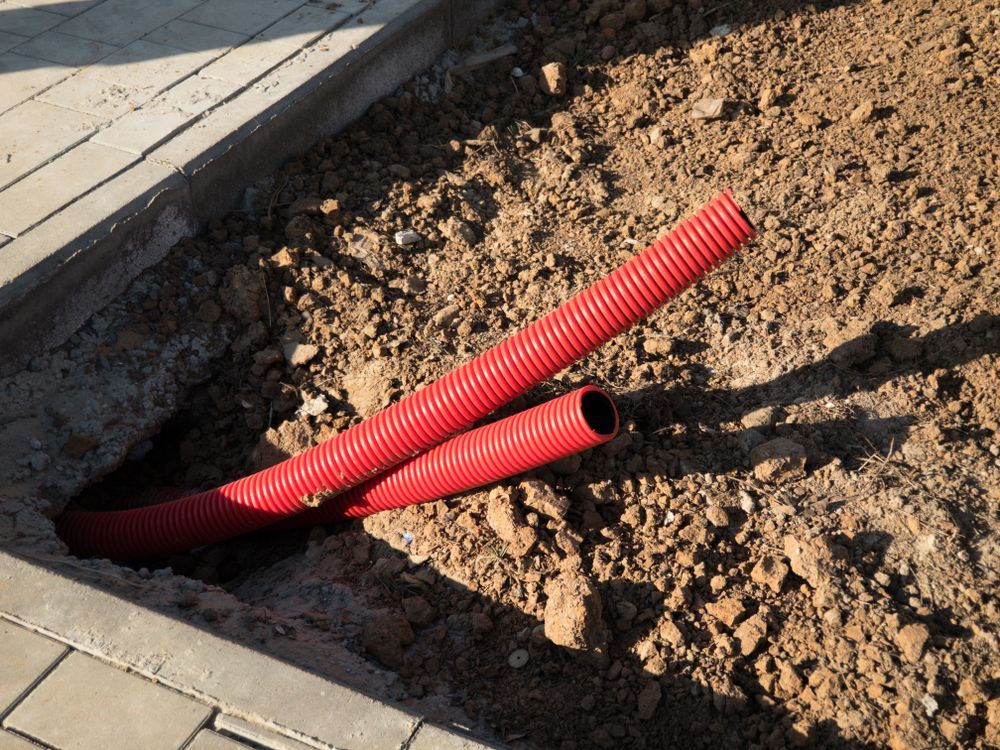
After installation, you see conduit stub-ups at transformer pads, service panel locations, or utility poles ready for cable installation. The bore path remains stable without backfill settling, and pavement surfaces show no trenching scars or patches. Cable pulling occurs after bore completion, with conductors sized to load requirements and terminated per National Electrical Code standards for underground distribution systems.
Bore depths typically range from three to six feet depending on load classification and local frost line considerations, though deeper installations accommodate specific utility design requirements. The process includes locating existing underground utilities before drilling to prevent strikes, and bore logs document path alignment and depth for future reference during maintenance or expansion projects.
What Property Owners Usually Ask
Electrical boring projects in Tyler raise questions about process logistics, conduit specifications, and coordination with utility providers during installation.
What size conduit does electric boring require?
Conduit diameter depends on cable count and voltage rating—residential service lines typically use two-inch or three-inch conduit, while commercial distribution circuits may require four-inch or larger depending on conductor bundle size and future capacity planning.
How does boring avoid damaging existing utilities?
Utility locates are completed before drilling, and the bore path is marked to steer clear of water, gas, telecom, and other underground infrastructure, with real-time tracking equipment monitoring drill head position throughout the bore.
When should electric boring be scheduled for new construction?
Boring occurs after site grading and before final paving, allowing conduit installation to coordinate with electrical rough-in schedules and utility transformer placement without delays or surface rework.
What happens if the bore encounters rock or hardpan?
Drill tooling is adjusted to handle subsurface conditions common in East Texas clay and sandstone layers, with rock heads and higher torque equipment used to maintain bore progress without deviation from the planned path.
How long does conduit remain accessible for cable pulling?
Conduit ends are capped and located with markers or vaults, remaining open for cable installation according to project timelines—typically pulled within weeks of bore completion to prevent debris accumulation or moisture intrusion that complicates wire fishing.
Knuckles Boring ETX coordinates with electrical contractors and utility providers throughout Tyler to align bore installation with project schedules and system specifications. Request a consultation to review bore routing, conduit sizing, and installation timing for your electrical infrastructure project.