Subsurface Installation Without Surface Trenching
Gas Line Boring in Tyler for trenchless horizontal directional drilling that minimizes disruption in developed areas
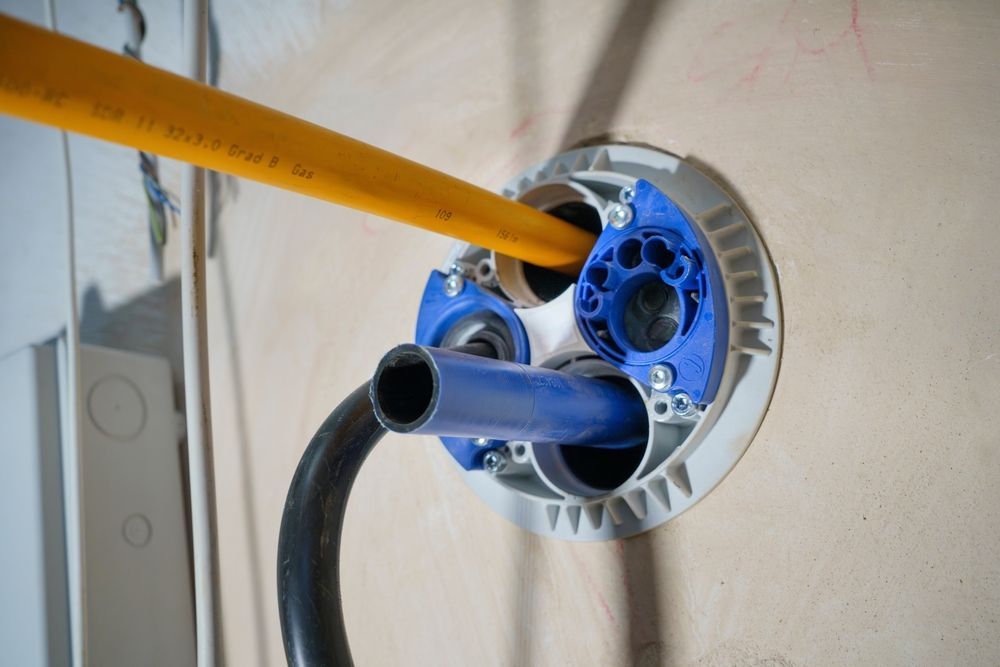
Horizontal directional drilling bores beneath driveways, landscaping, and paved surfaces to install gas line conduit without the trenching, excavation, and restoration costs associated with traditional open-cut methods. Knuckles Boring ETX uses specialized drilling equipment to create subsurface pathways for residential and commercial gas service lines throughout Tyler, pulling conduit through the completed bore to house gas pipe from meter locations to service entry points. This trenchless technique preserves existing surface conditions and reduces project timelines in areas where excavation would disrupt traffic, damage mature landscaping, or require extensive permitting and surface restoration.
The drill follows a planned alignment determined by utility design and site constraints, steering around obstacles and maintaining depth to meet code clearance requirements. Once the pilot bore reaches the exit point, conduit is attached and pulled back through the bore path while a reamer enlarges the hole to final diameter. Gas pipe is then inserted into the conduit and connected at both ends, with pressure testing completed before service activation.
Schedule a site evaluation to determine bore path routing and installation requirements for your gas service project.
Why Trenchless Drilling Works for Gas Infrastructure
Bore depth typically ranges from three to five feet depending on local code requirements and surface load conditions, with deeper installations used where heavy equipment or traffic passes overhead. The drilling process uses locating equipment to track drill head position in real time, ensuring the bore avoids existing water, electric, and telecom utilities identified during pre-construction locates. Conduit material and diameter are selected based on gas pipe size and pressure rating, with fusion-welded joints providing continuous protection along the entire pathway.
Once installation completes, gas service operates through a protected conduit pathway isolated from soil movement and surface disturbances that stress directly buried pipe. Driveways, sidewalks, and landscaping remain intact without trenching scars or settled backfill zones that require ongoing maintenance. Entry and exit points at the meter and service connection show minimal surface impact, typically restored with small patches rather than full driveway or yard replacement.
Bore length depends on the distance between the gas main tap and service entry point, with most residential installations ranging from fifty to two hundred feet. Commercial projects may involve longer bore runs to reach building service entrances from distant meter locations, and multiple bores may be required when routing around obstacles or property boundaries prevents a direct pathway.
Questions Before Starting Your Project
Gas line boring projects in East Texas involve questions about process timing, conduit protection, and coordination with utility providers during installation.
What conduit size is required for residential gas service?
Conduit diameter typically measures two inches for standard residential gas lines, providing clearance around three-quarter-inch or one-inch gas pipe while allowing space for future line replacement without redrilling the bore pathway.
How does horizontal directional drilling avoid existing utilities?
Pre-construction utility locates identify underground infrastructure, and the bore path is designed to maintain safe clearances from water, electric, and telecom lines—real-time locating equipment tracks drill head position during boring to confirm alignment and prevent strikes.
When should gas line boring occur during new construction?
Boring is scheduled after site grading and utility rough-in coordination but before final paving and landscaping, allowing gas line installation to align with plumbing and HVAC schedules without surface rework or access complications later in the project.
What soil conditions affect bore difficulty in Tyler?
East Texas clay and sandstone layers require specialized drill tooling and higher torque equipment compared to sandy soils, with bore progress monitored to adjust drilling fluid and steering inputs that maintain alignment through variable subsurface conditions.
How is the gas line protected inside the conduit?
The conduit provides a secondary barrier against soil contact and mechanical damage, with gas pipe installed inside and sealed at both ends to prevent moisture intrusion—this dual-layer protection exceeds direct burial standards and simplifies future repairs if line replacement becomes necessary.
Knuckles Boring ETX works with gas utility providers and licensed plumbers throughout Tyler to coordinate bore installation with service activation schedules and pressure testing requirements. Arrange an on-site consultation to review bore routing and conduit specifications for your gas line installation project.