Protective Casing for Critical Infrastructure Crossings
Sleeve Installation in Tyler for utilities bored beneath roads, railways, and obstacles requiring protective encasulation
Preventing lines from crushing under heavy surface loads or failing due to ground movement requires heavy-duty outer casing. Knuckles Boring ETX handles sleeve casing installations across East Texas to shield primary lines from high-traffic stress, severe freeze cycles, and root encroachment. Our trenchless sleeve methods resolve compromised installations—such as replacing collapsed thin-wall sleeves with structural casing—and allow you to run primary gas, water, electric, or fiber connections safely beneath roadways, railways, and hardscapes.
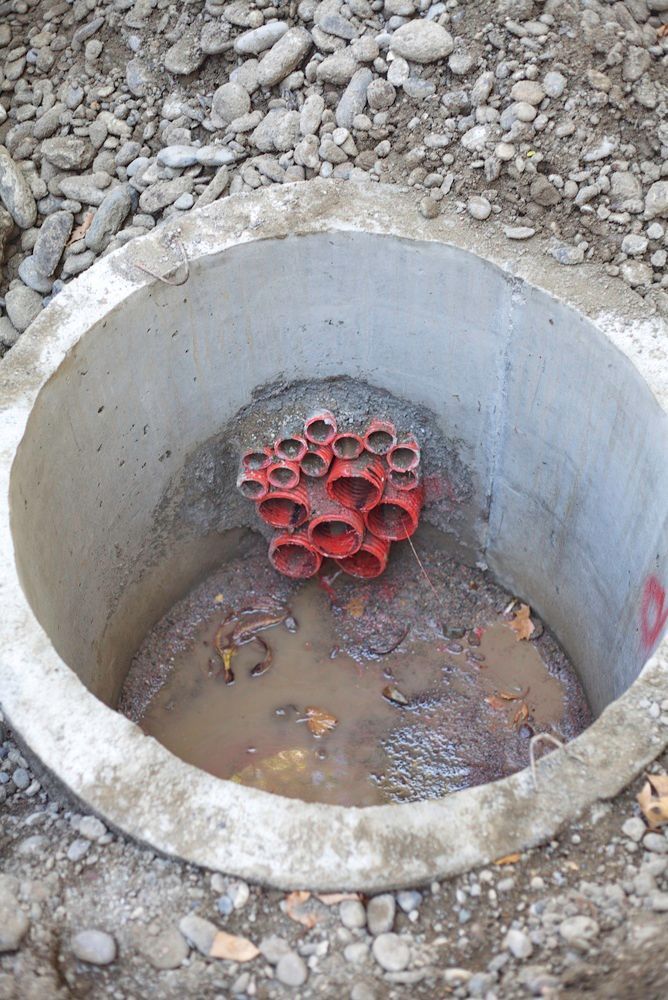
This dual-conduit system provides an ideal setup for new construction projects as well as outbuilding additions requiring water, power, security cameras, or internet lines. An oversized bore is drilled first to house the durable outer sleeve, allowing primary utilities to pass through smoothly without exposure to direct soil loads or external friction.
Arrange an on-site consultation to evaluate crossing requirements and determine sleeve specifications for your utility project.
How Sleeve Installation Addresses Infrastructure Conflicts
Sleeve casing material is selected based on the utility type and crossing conditions—steel sleeves provide maximum crush resistance for railway and heavy traffic crossings, while high-density polyethylene sleeves suit lighter load conditions and corrosive soil environments. The bore is completed first, then the sleeve is pushed or pulled into place and positioned for final alignment. End seals prevent soil and groundwater infiltration while allowing the carrier line to enter and exit without exposure to external pressure.
Once installation finishes, the utility line operates inside a stable, protected environment isolated from shifting soil, surface loads, and environmental conditions that degrade unprotected lines. The sleeve remains accessible at both ends for inspection, and future line repairs or replacements occur by pulling new pipe through the existing sleeve without redrilling the crossing. Traffic flow continues uninterrupted during and after installation, with no pavement removal or restoration required.
Sleeve length extends beyond the traveled surface on both sides to ensure full protection across the load zone, and bore depth is calculated to meet clearance requirements for the roadway or rail bed classification. Annular space is typically filled with grout or left open depending on engineering specifications and local jurisdiction standards for utility crossings.
Answers to Frequent Service Questions
Sleeve installation projects often involve questions about casing material, bore depth, and coordination with transportation authorities during utility crossing work.
What determines sleeve casing diameter?
Sleeve size must exceed the carrier pipe diameter by several inches to allow clearance for installation and provide space for thermal expansion, with typical sleeves ranging from six inches to twenty-four inches depending on the utility line size and crossing design.
How deep are sleeves installed beneath roadways?
Bore depth depends on road classification—residential streets may require four to five feet of cover, while state highways and railways demand six feet or more to prevent surface load transfer to the sleeve and underlying utility line.
When is sleeve installation required instead of direct burial?
Tyler area regulations and utility codes mandate sleeve casing for crossings under paved roads, railways, and high-traffic areas where direct burial would risk line damage or complicate future maintenance without costly excavation and surface repair.
What happens if the utility line needs replacement later?
The carrier line is pulled out through the sleeve and a new line is installed in its place, avoiding another bore and preserving the roadway surface—this replacement process takes hours instead of days compared to redrilling the crossing.
How is the sleeve sealed after installation?
End caps or link seals are installed at both sleeve terminations to prevent soil and water intrusion while allowing the utility line to pass through, with seals designed to accommodate line movement from thermal expansion or pressure changes without compromising the protective barrier.
Knuckles Boring ETX manages permit coordination and utility design compliance for sleeve installations throughout Tyler's highway and infrastructure corridors. Contact us to review crossing specifications and schedule bore installation for your utility sleeve project.